

 By
By Struggling to connect multiple SaaS tools without creating chaos?
Modern SaaS integration strategies in 2026 are no longer just about connecting apps they are about building automated, scalable systems that drive growth. In this guide, you’ll discover 10 proven SaaS integration strategies, real-world examples, and the tools businesses use to streamline workflows and scale efficiently.
In 2026, organizations are moving beyond simple integrations and adopting advanced approaches such as API-first architecture, AI-powered automation, and cloud-native integration platforms.
In this guide, we’ll explore the most effective SaaS integration strategies used by modern businesses and the tools that help companies build scalable digital ecosystems.
What is SaaS Integration?
SaaS integration refers to the process of connecting multiple software-as-a-service applications so they can share data and work together seamlessly.
For example, a business might integrate:
- CRM platforms like Salesforce
- Marketing tools like HubSpot
- Payment platforms like Stripe
- Project management tools like ClickUp
When these tools are connected, data flows automatically between systems, eliminating manual work and improving productivity.
Without proper integration, companies often face:
- data silos
- manual data entry
- inconsistent information
- reduced operational efficiency
Modern SaaS integration solves these challenges by creating automated and connected digital workflows.
The SaaS Ecosystem: A Paradigm Shift in Business Operations
Before delving into integration strategies, it’s crucial to understand the paradigm shift that the SaaS ecosystem has brought to business operations. Gone are the days of rigid, siloed software solutions. SaaS offerings empower organizations to access a wide array of applications, from customer relationship management and project management to HR and finance, all through the cloud.
However, this abundance of SaaS tools necessitates a coherent strategy for integration to harness their full potential.
Why SaaS Integration Is Critical for Modern Businesses
1. Streamlined, Scalable Workflows
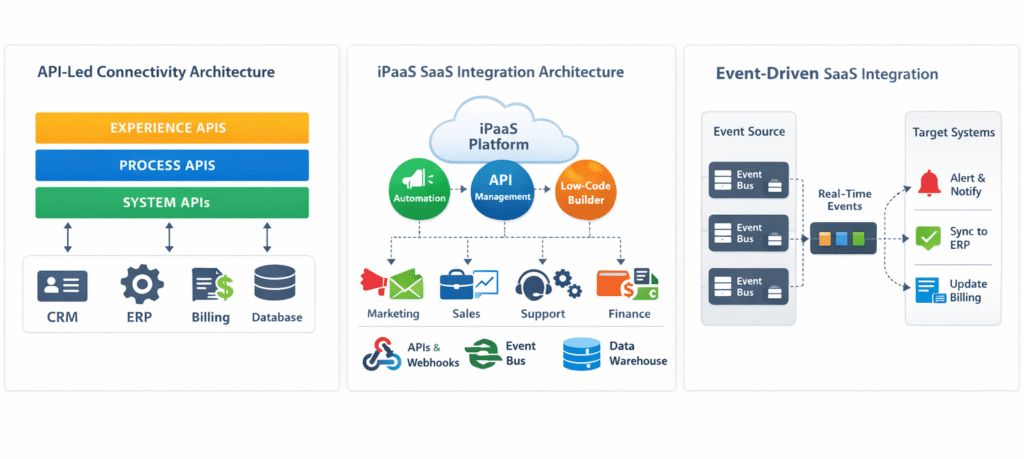
Modern organizations are replacing fragile point-to-point scripts with API-first and iPaaS-based integration flows. This shift reduces long-term integration debt and improves reliability.
Example:
A SaaS business synchronizes CRM, billing, and support systems in real time giving leadership a live view of ARR, churn risk, and customer health without manual reconciliation.
Instead of hard-coded logic, integrations are now reusable, observable, and centrally managed.
2. Real-Time Data Visibility and Accuracy
In 2026, batch syncs are no longer enough. Tier-1 enterprises expect:
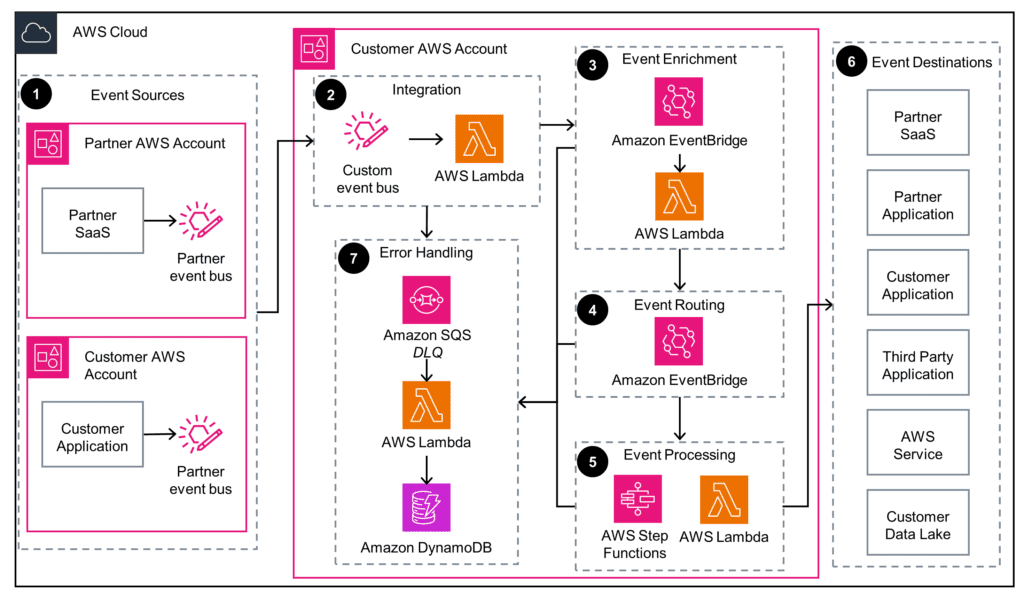
- Event-driven data flows
- Centralized logging and observability
- Governed “single source of truth” across SaaS tools and data warehouses
This is critical for analytics, compliance, and AI-driven decision-making. Integration is what ensures data remains consistent across systems not just stored, but trusted.
3. Enhanced Productivity Through AI Automation
Modern productivity gains don’t come from simple triggers, they come from AI agents operating across systems.
Examples include:
- AI triaging support tickets and updating CRM records
- Automated onboarding flows triggered by billing events
- AI-assisted sales follow-ups based on usage data
None of this works without clean, connected systems. Integration is the foundation that makes AI automation meaningful.
4. Improved Customer Experience Across Channels
Customers interact with SaaS brands across marketing, sales, product, and support. In 2026, seamless experiences require omnichannel integration.
Disconnected systems lead to:
- Repeated questions
- Inconsistent messaging
- Delayed resolutions
Well-integrated platforms ensure every team sees the same customer context driving faster responses and higher retention.
SaaS Integration Statistics in 2026
The rapid growth of cloud software has made integration a necessity for modern organizations.
Here are some important statistics:
- The average company now uses over 100 SaaS applications across departments.
- Organizations that implement workflow automation report up to 30% productivity improvement.
- Nearly 80% of businesses consider integration a critical part of their digital transformation strategy.
- The global integration platform market is expected to exceed $30 billion by 2030.
These numbers highlight why SaaS integration strategies are becoming essential for companies seeking operational efficiency.
Building Authoritative, Connected SaaS Solutions (2026 Framework)
Now that we understand the significance of SaaS integration, let’s explore strategies for building authoritative, connected solutions:
1. Assess Your Needs
Discovery should go beyond IT.
Include:
- Go-to-Market (CRM, marketing automation)
- Finance (billing, invoicing, revenue recognition)
- Operations (support, onboarding, internal tools)
- Data & Analytics (warehouses, BI, AI pipelines)
A best practice is mapping systems of record vs systems of engagement to define ownership and data flow authority.
2. Choose the Right Integration Tools*
In 2026, integration tooling is no longer one-size-fits-all.
Key categories include:
- Enterprise iPaaS platforms like Workato, MuleSoft, Boomi, Make, and Alumio for complex, multi-system environments.
- Embedded iPaaS for SaaS vendors offering native integrations inside their product.
- API gateways and event buses for high-scale, real-time use cases.
Low-code and no-code integration builders are now mainstream, empowering citizen developers while reducing IT bottlenecks.
3. Prioritize Data Security*
Security is paramount in SaaS integration. Ensure that data is encrypted during transit and at rest. Implement access controls and monitor data access rigorously.
Key requirements include:
- SOC 2 and ISO 27001 alignment
- GDPR, CCPA, and industry-specific regulations (HIPAA, PCI, etc.)
- Zero-trust architecture and least-privilege access
- Secrets management and encrypted credentials
- Detailed audit logs and traceability
Security is no longer an add-on, it’s a core integration feature.
4. Establish Clear, Measurable Objectives
Define clear objectives for your integration efforts. What specific outcomes do you hope to achieve? Whether it’s improving order processing, automating marketing campaigns, or enhancing customer support, having clear goals is essential.
Effective integrations are outcome-driven.
Examples:
- Reduce customer onboarding time by 30%
- Eliminate manual CSV imports entirely
- Improve billing accuracy and revenue reporting
Start with revenue-adjacent integrations (CRM, billing, support) to secure executive buy-in and faster ROI.
5. Seamlessly Connect SaaS Applications*
Integrate your SaaS applications seamlessly. Ensure that data can flow freely between systems, and that updates in one application are reflected in others in real-time.
6. Regular Maintenance and Testing*
SaaS integrations are not set-and-forget. Regularly test and maintain your integrations to ensure they continue to function optimally as your business evolves.
7. Train Your Teams*
Provide training to your teams so they can effectively use integrated systems. A well-trained workforce is essential for maximizing the benefits of SaaS integration.
Real-World SaaS Integration Examples
To better understand how SaaS integrations improve business operations, let’s look at a few practical examples.
CRM and Marketing Automation Integration
Many companies integrate their CRM systems such as Salesforce or HubSpot with marketing automation platforms. When a lead submits a form on the website, the information is automatically transferred to the CRM and triggers automated email campaigns.
This eliminates manual data entry and ensures marketing teams can immediately nurture new leads.
Payment and Accounting Integration
Businesses often integrate payment platforms like Stripe or PayPal with accounting tools such as QuickBooks or Xero. This allows financial data to automatically sync between systems, improving financial reporting and reducing administrative work.
Customer Support and Ticketing Integration
Customer service platforms like Zendesk or Freshdesk can integrate with CRM systems so support teams have complete customer history when resolving issues. This improves response times and customer satisfaction.
These real-world integration examples demonstrate how connected SaaS systems create efficient and automated business workflows.
The Future of SaaS Integrations
As businesses continue adopting cloud-based tools, SaaS integrations will become even more advanced.
Future trends expected in SaaS integration include:
- AI-driven automation that automatically connects applications
- Low-code integration platforms that simplify development
- API-first ecosystems designed for faster system connectivity
- Increased focus on real-time data synchronization across platforms
Organizations that invest in modern SaaS integration strategies today will be better prepared to scale operations and adapt to emerging technologies.
Related Guides on SaaS and AI
If you’re exploring modern SaaS technologies, you may also find these guides useful:
- Best AI Chatbots Like ChatGPT for Businesses
- Top SaaS Trends Shaping the Future of Cloud Software
- AI Tools Transforming Business Automation
- How AI Is Changing SaaS Product Development
These resources provide deeper insights into the evolving SaaS ecosystem and emerging AI-powered technologies.
Conclusion
SaaS integration strategies are the bridge between a fragmented tech stack and a cohesive, efficient, and authoritative ecosystem. As businesses continue to rely on a multitude of SaaS applications, integration becomes a strategic imperative.
By following these integration strategies and building authoritative, connected solutions, organizations can streamline workflows, improve data accuracy, boost productivity, and enhance the overall customer experience. In an era where data and efficiency are king, SaaS integration is the key to staying competitive and thriving in the digital age.