

 By
By Manufacturing is undergoing one of its most significant transformations in decades.
In 2026, manufacturers are no longer asking whether to adopt digital tools, but how fast they can modernize without disrupting operations.
At the center of this transformation is SaaS (Software as a Service). From production planning and supply chain visibility to predictive maintenance and quality control, SaaS platforms are redefining how modern manufacturing organizations operate, scale, and compete.
This article explores how SaaS innovation is driving efficiency and reliability in manufacturing, and why cloud-based, AI-enabled solutions have become essential for manufacturers targeting long-term growth.
Why SaaS Matters More Than Ever in Manufacturing
Traditional manufacturing systems were built for stability, not agility. On-premise software, manual data handling, and siloed systems often limit visibility and slow decision-making.
SaaS changes this by offering:
- Real-time access to operational data
- Faster deployment without heavy infrastructure
- Continuous updates and innovation
- Scalability across plants, regions, and supply chains
For manufacturers facing labour shortages, volatile demand, and rising costs, SaaS is no longer just an IT upgrade, it’s a strategic advantage. As manufacturing SaaS platforms mature, vendors must also focus on scalable growth models that support global customers, enterprise contracts, and long-term reliability. Please Check for Scaling a SaaS business.
Key Areas Where SaaS Is Transforming Manufacturing
1. Operational Efficiency Through Automation
Modern SaaS platforms automate repetitive and error-prone processes across manufacturing operations, including:
- Production scheduling
- Inventory tracking
- Procurement workflows
- Quality inspections
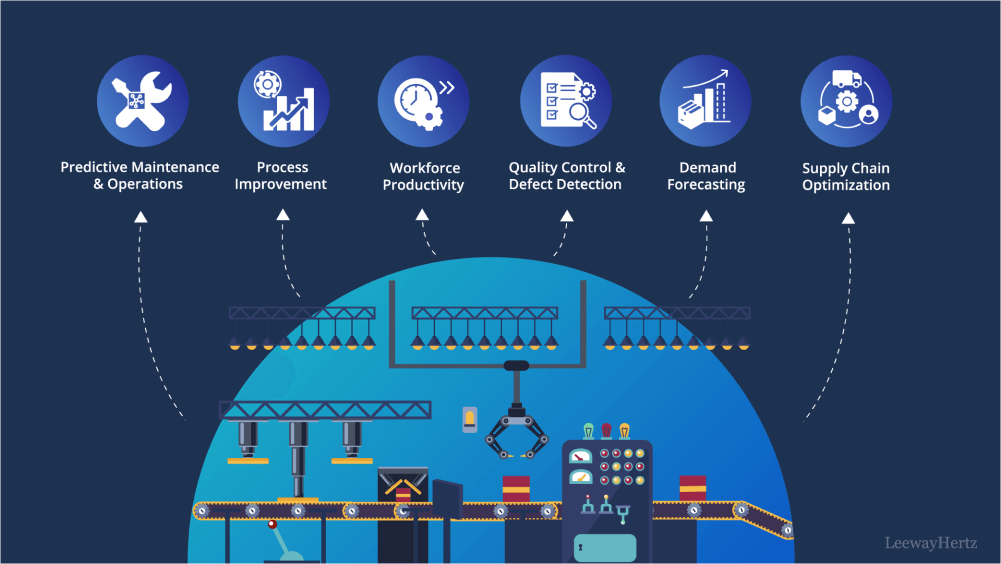
Automation reduces human error, improves throughput, and allows teams to focus on high-value work instead of manual coordination.
2. Predictive Maintenance and Reduced Downtime
Unplanned downtime is one of the costliest problems in manufacturing.
SaaS platforms combined with IoT sensors and AI analytics enable predictive maintenance, allowing manufacturers to:
- Monitor machine health in real time
- Identify failure patterns before breakdowns occur
- Schedule maintenance proactively
- Extend equipment lifespan
This shift from reactive to predictive maintenance significantly improves reliability and cost control.
3. Real-Time Visibility Across the Supply Chain
One of the biggest challenges in manufacturing is lack of visibility.
SaaS solutions integrate data from suppliers, warehouses, production lines, and logistics partners into a single dashboard enabling manufacturers to:
- Detect bottlenecks early
- Respond faster to disruptions
- Optimize inventory levels
- Improve supplier collaboration
In a post-pandemic world, this level of transparency is no longer optional. Achieving this level of visibility depends heavily on well-designed SaaS integrations that connect ERP systems, production tools, analytics platforms, and supplier software into a unified data layer. 👉 SaaS integration strategies
4. Data-Driven Decision Making
Manufacturing generates massive amounts of data but data alone has no value unless it’s actionable.
SaaS analytics platforms help manufacturers:
- Analyze production performance
- Track KPIs across plants
- Forecast demand more accurately
- Identify inefficiencies at scale
With AI-powered insights, leaders can make faster, better decisions backed by real operational data not assumptions.
5. Improved Collaboration Across Teams and Locations
Modern manufacturing is global. Teams are spread across plants, regions, and partners.
Cloud-based SaaS tools enable:
- Cross-functional collaboration
- Standardized processes across sites
- Secure access to shared data
- Faster decision cycles
This is especially critical for manufacturers operating multiple facilities or working with outsourced partners.
AI-Driven SaaS: The Next Evolution in Manufacturing

In 2026, the biggest leap in manufacturing SaaS comes from AI integration.
AI-enabled SaaS platforms are now capable of:
- Predicting demand fluctuations
- Optimizing production schedules automatically
- Detecting quality issues through image and pattern recognition
- Recommending operational improvements in real time
Rather than replacing human expertise, AI acts as a decision support layer, helping teams operate smarter and faster. This shift mirrors broader SaaS trends, where AI and automation have become key drivers of sustainable SaaS scaling across industries. 👉 sustainable SaaS growth
Security, Compliance, and Reliability in Manufacturing SaaS
Manufacturers often worry about cloud security—and rightly so.
Modern SaaS platforms address these concerns by offering:
- Enterprise-grade encryption
- Role-based access controls
- Compliance with industry standards
- Regular security audits and updates
For manufacturers in regulated industries, SaaS now delivers better security and reliability than many legacy on-prem systems.
Challenges and Considerations
While SaaS innovation in manufacturing offers numerous benefits, it also presents challenges. Manufacturers must consider data security, compliance with industry regulations, and the need for employee training to fully harness the potential of these solutions.
Common challenges include:
- Integrating SaaS with legacy systems
- Managing data migration
- Training teams on new workflows
- Ensuring consistent adoption across plants
The most successful manufacturers treat SaaS adoption as a business transformation, not just a software purchase. Many of these challenges can be reduced by adopting API-first and iPaaS-based integration architectures, which are now standard for enterprise SaaS deployments. 👉 API-first SaaS integration
How SaaS Novas Supports Manufacturing Innovation
At SaaS Novas, we explore how modern SaaS technologies help industries including manufacturing drive efficiency, reliability, and digital transformation.
Whether you’re evaluating SaaS platforms, exploring AI-driven automation, or planning a cloud-based modernization strategy, our insights help you stay ahead of the curve.
Related SaaS Insights from SaaS Novas
- Modern SaaS Integration Strategies (2026): AI-Native, API-First and Secure Connected Solutions
👉 https://saasnovas.com/saas-integration-strategies-building-authoritative-connected-solutions/ - How to Scale a SaaS Business in 2026: Sustainable Growth Strategies
👉 https://saasnovas.com/how-to-scale-your-saas-business-strategies-for-sustainable-growth/