

 By
By The Internet of Things (IoT) is no longer just about connected devices. In 2026, IoT is about intelligent ecosystems where sensors, cloud platforms, AI engines, and SaaS applications work together to deliver real-time decisions at scale.
From smart factories and healthcare monitoring to fintech security and predictive maintenance, IoT has become the operational backbone of modern enterprises.
But mastering IoT today requires more than hardware deployment. It demands:
- Cloud-native architecture
- Secure data pipelines
- AI-ready infrastructure
- Scalable SaaS integrations
- Enterprise-grade compliance
In this guide, we’ll explore how businesses can achieve IoT mastery in 2026 strategically, securely, and sustainably.
The Evolution of IoT: From Devices to Intelligence
Earlier IoT implementations focused on connectivity. Devices collected data, and dashboards displayed it.
In 2026, IoT systems are expected to:
- Process data in real time
- Integrate directly with SaaS platforms
- Trigger automated workflows
- Feed AI models for predictive insights
- Operate securely across global regions
The real value of IoT now lies in decision automation, not just data collection.
Why IoT Matters More Than Ever
1️⃣ Real-Time Operational Visibility
Modern enterprises rely on IoT to:
- Monitor supply chains
- Track energy consumption
- Analyze product usage
- Improve service uptime
IoT combined with cloud analytics provides leadership with live operational intelligence not monthly reports.
2️⃣ AI-Powered Predictive Capabilities
IoT without AI is incomplete in 2026.
When IoT data feeds AI systems, organizations can:
- Predict equipment failures
- Detect anomalies in financial transactions
- Forecast demand fluctuations
- Automate resource allocation
This transforms IoT from reactive monitoring to proactive optimization.
3️⃣ SaaS and IoT Convergence
IoT data now integrates directly with:
- CRM systems
- Billing platforms
- ERP software
- Customer support tools
This creates seamless operational workflows for example, a device failure automatically generating a support ticket and notifying the billing system.
IoT is no longer isolated; it’s deeply embedded in SaaS ecosystems and IoT ecosystems require seamless SaaS integration frameworks.
The Modern IoT Architecture (2026 Framework)
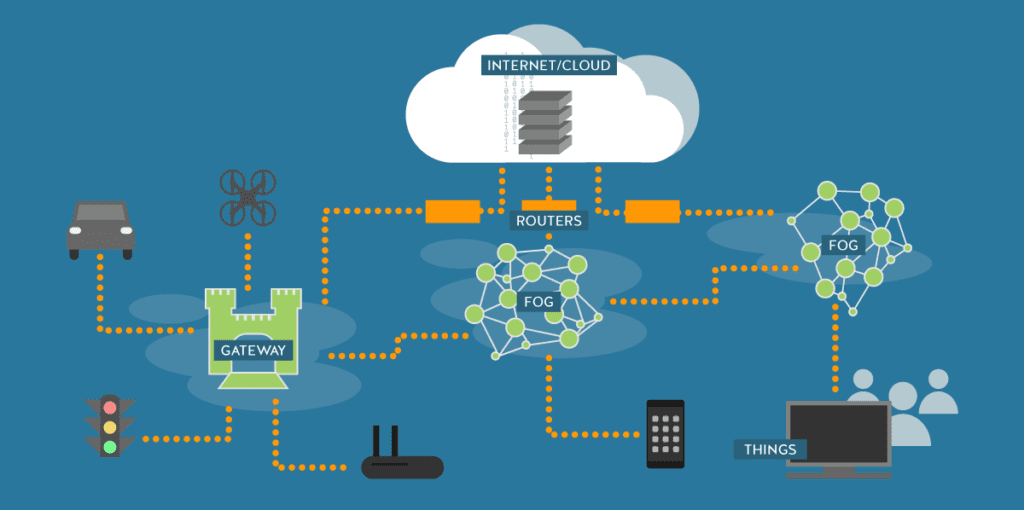
To master IoT, you need a layered approach:
1️⃣ Edge Layer
Devices, sensors, and gateways collecting raw data.
2️⃣ Connectivity Layer
5G, WiFi, LPWAN, and secure transmission protocols.
3️⃣ Cloud And Processing Layer
Scalable cloud platforms handling ingestion, storage, and compute. Also Secure cloud data migration is essential for IoT scalability.
4️⃣ Data And AI Layer
Real-time analytics, AI models, predictive engines.
5️⃣ Application And SaaS Layer
Dashboards, automation systems, CRM, ERP, and integration platforms.
Security: The Non-Negotiable Foundation
As IoT expands, so do security risks.
Tier-1 markets demand strict compliance and protection standards. IoT mastery requires:
- End-to-end encryption
- Zero-trust access control
- Device authentication
- Secure firmware updates
- Audit logs and monitoring
Regulatory frameworks like GDPR and industry-specific compliance standards must be built into architecture not retrofitted later.
Security is no longer an IT task. It’s a growth enabler.
Scaling IoT Without Breaking Systems
Many IoT initiatives fail when moving from pilot to production and scaling IoT-driven SaaS solutions requires strong growth strategies.
Common scaling mistakes include:
- Underestimating data volume
- Ignoring integration complexity
- Poor API architecture
- Lack of observability
To scale successfully:
✔ Design API-first systems
✔ Use event-driven architectures
✔ Implement centralized monitoring
✔ Build for multi-region deployment
✔ Automate infrastructure management
IoT systems must scale just like SaaS platforms reliably and predictably.
Low-Code IoT Integration and Automation
A major 2026 trend is the use of low-code platforms to:
- Build IoT workflows
- Automate cross-system triggers
- Reduce engineering bottlenecks
Business teams can now configure IoT automations visually, while IT maintains governance.
This hybrid approach speeds innovation without sacrificing control.
AI + IoT: The True Competitive Advantage
The most advanced organizations treat IoT data as fuel for AI.
When combined effectively:
- Sensors provide continuous inputs
- AI models interpret patterns
- Automation systems trigger actions
This creates a closed-loop system collect, analyse, act, improve.
The result is intelligent infrastructure that learns and adapts over time.
Final Thoughts: Mastery in the Connected Age
IoT mastery in 2026 is about more than connecting devices, it’s about building intelligent, secure, and scalable ecosystems.
Organizations that combine IoT with:
- Cloud-native infrastructure
- AI-powered analytics
- SaaS integrations
- Enterprise security standards
will unlock real operational transformation.
The connected age rewards those who design systems not just deploy technology.